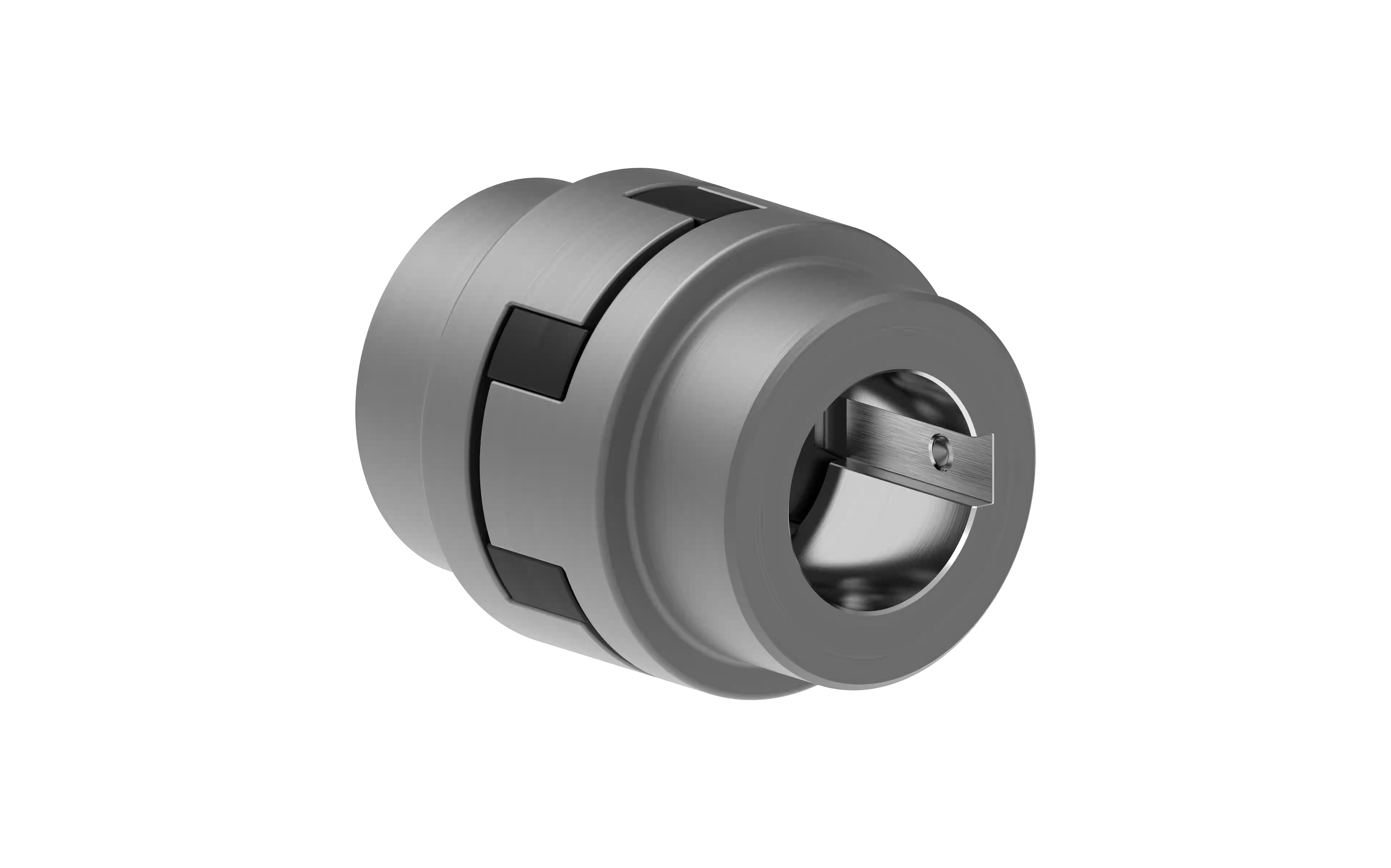
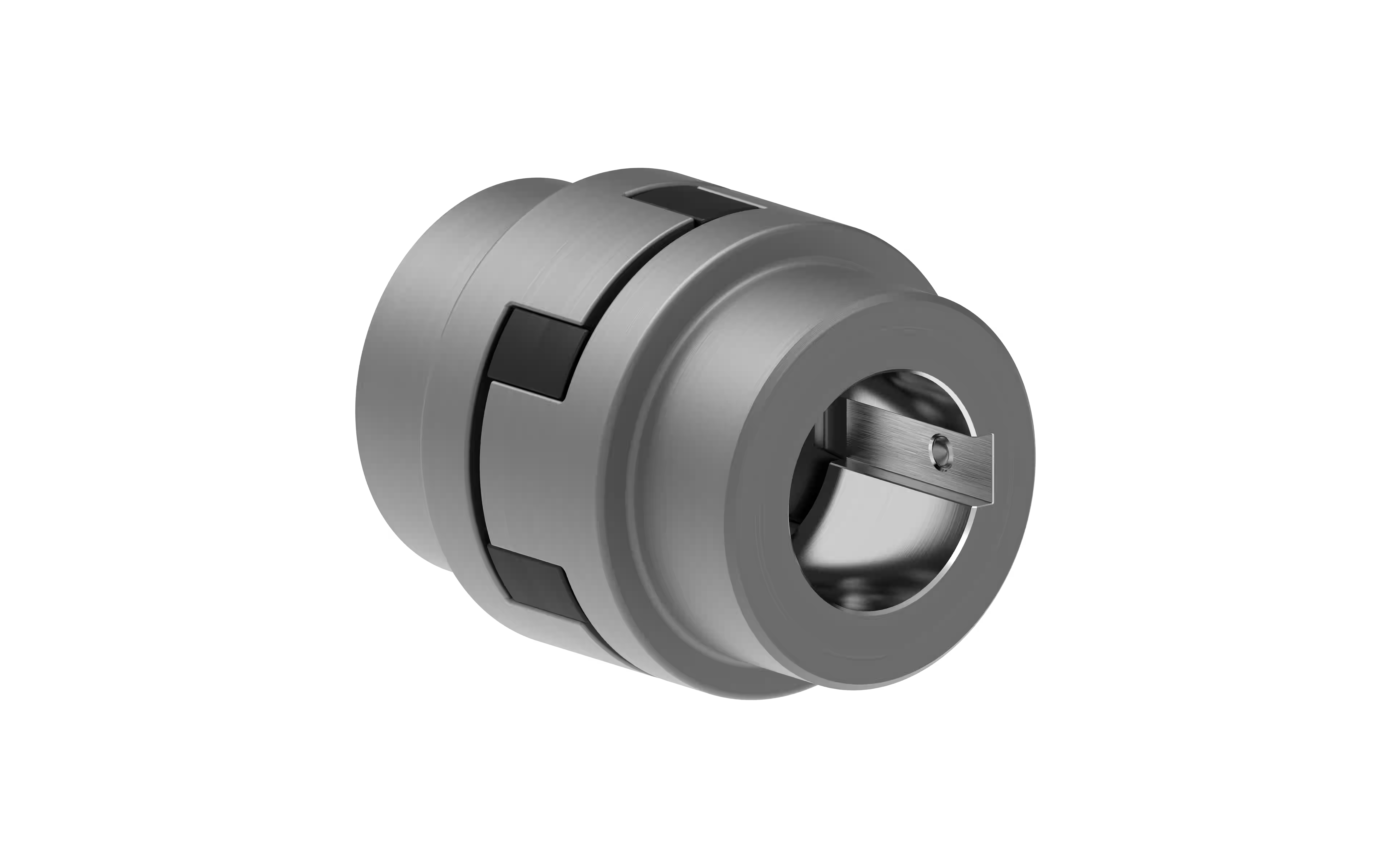
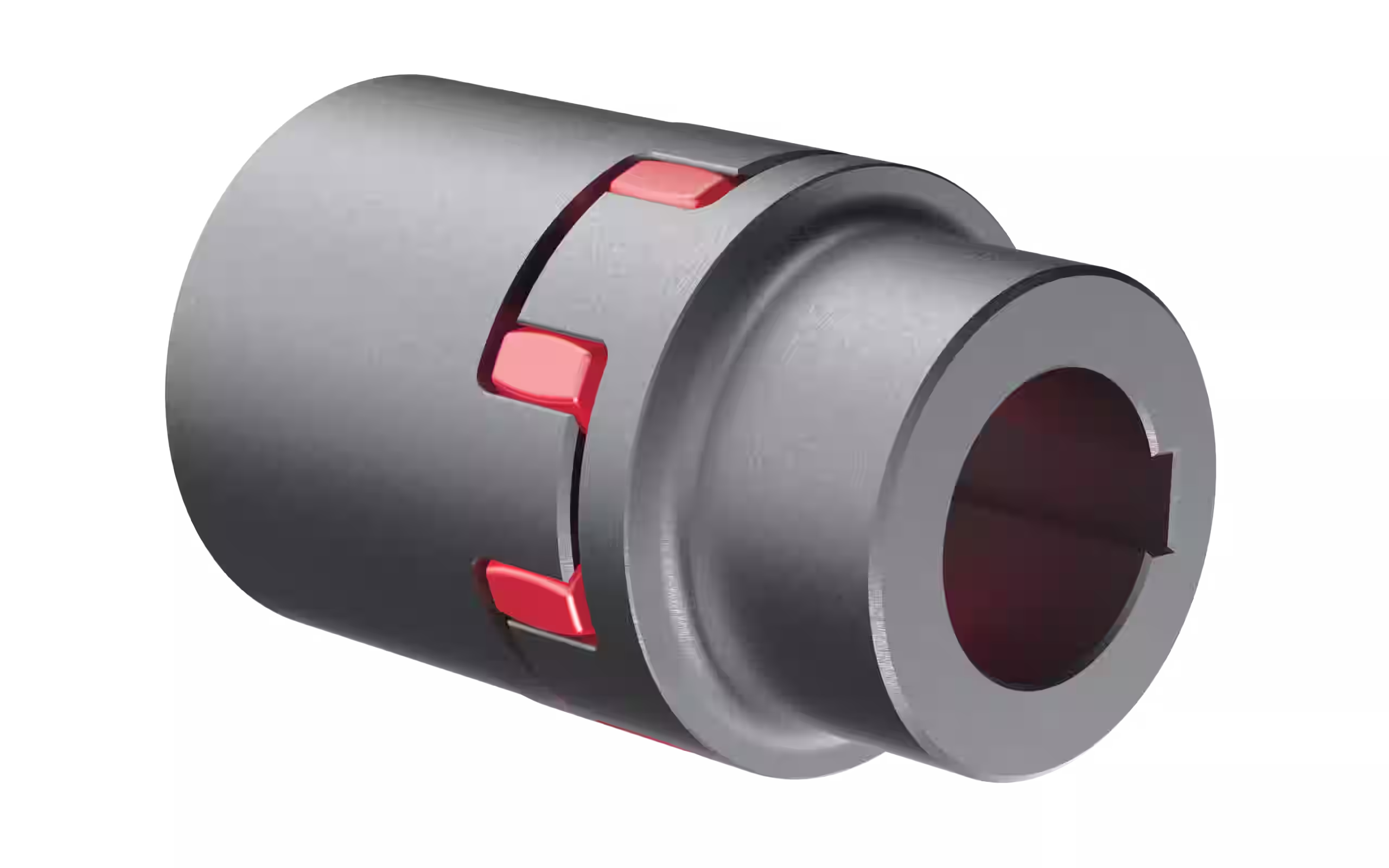
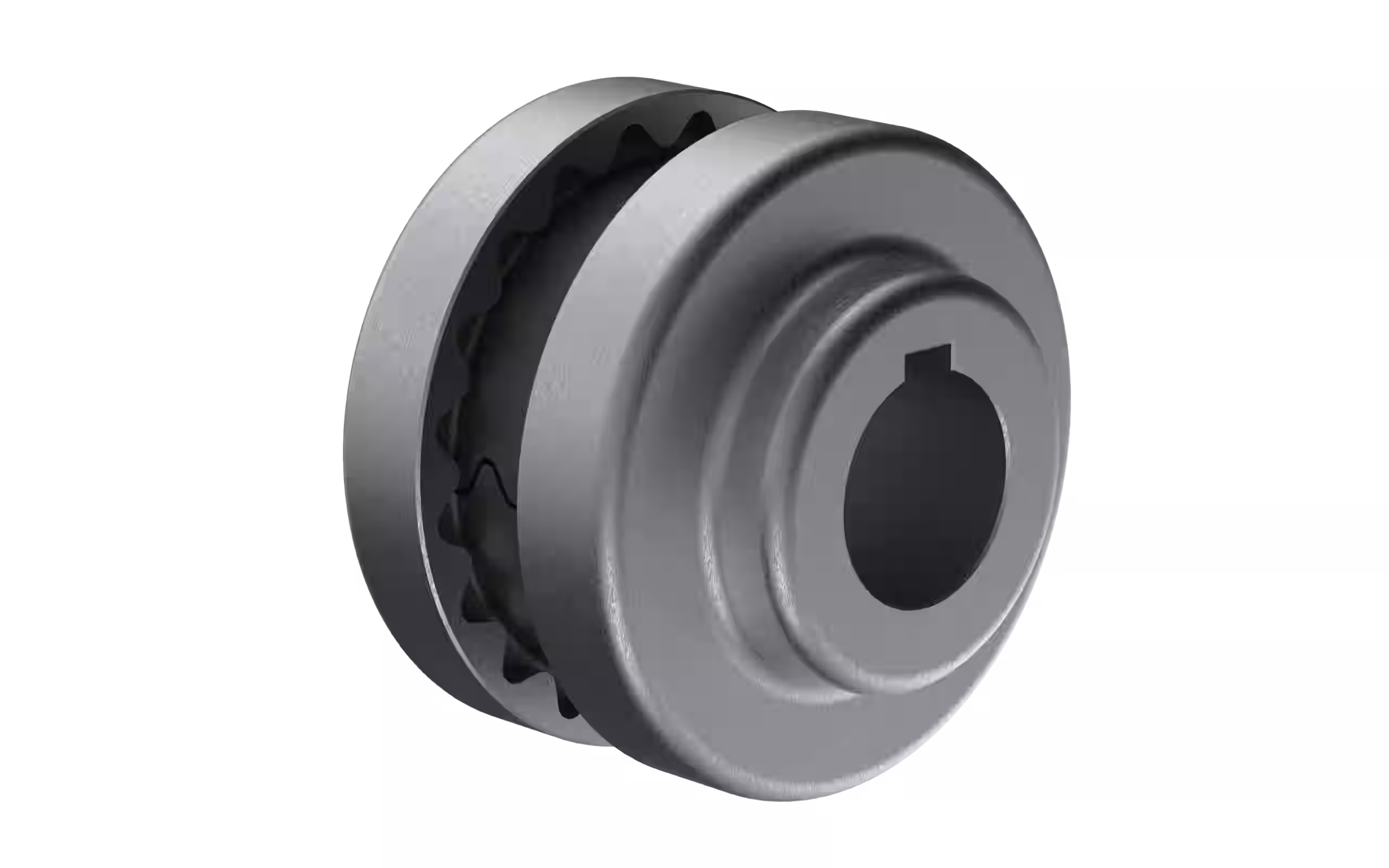
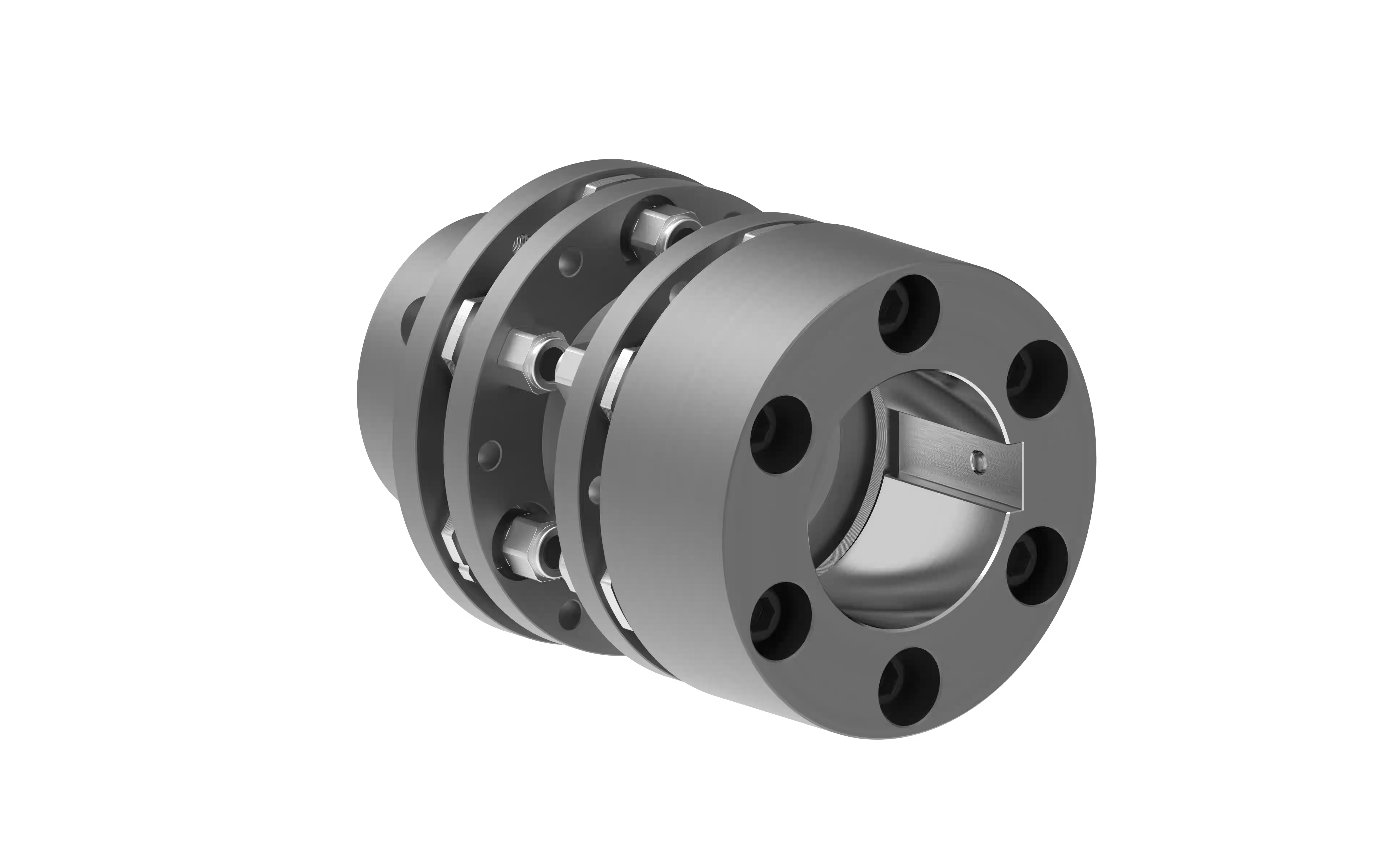
The RLES L Type Jaw Coupling is the industry-standard flexible coupling designed for reliable and efficient power transmission across a wide range of industrial applications. Known for its simple three-piece construction and robust performance, it provides excellent shock absorption, vibration damping, and misalignment accommodation without requiring lubrication.
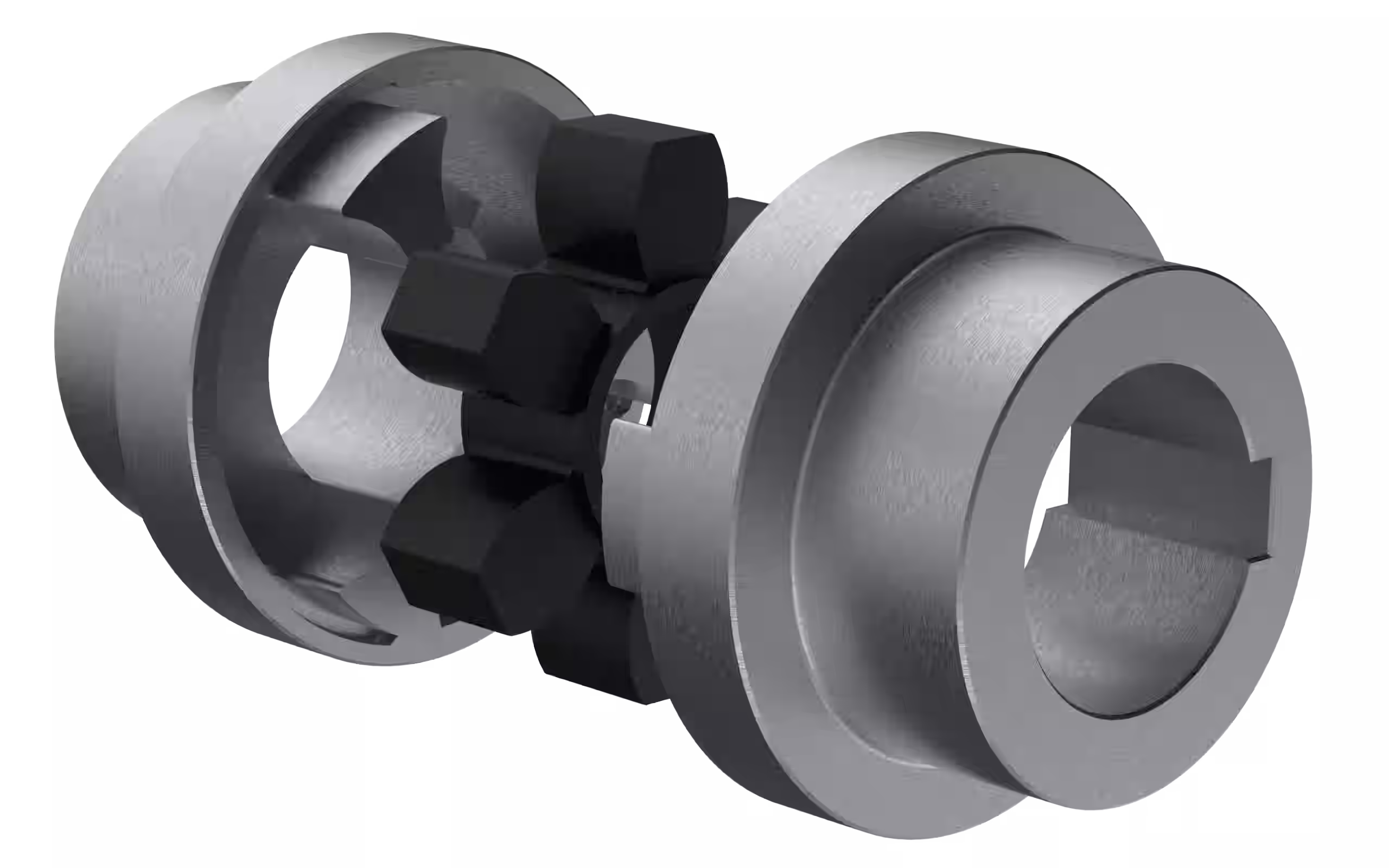
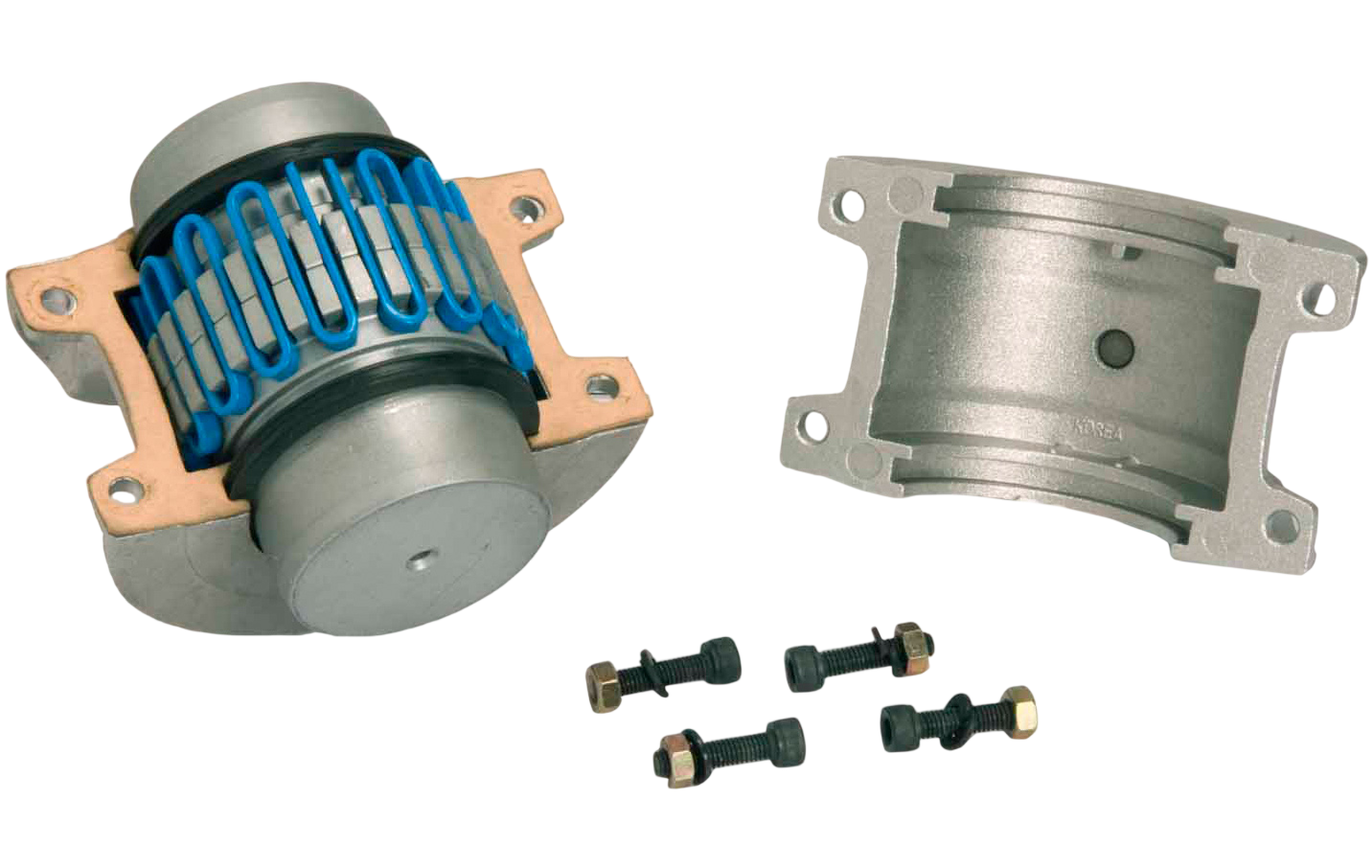
Engineered with two metallic hubs and an elastomeric spider element, the L Type coupling ensures smooth torque transmission while protecting connected equipment from harmful loads and operational stresses.

Ensures continued power transmission even in the unlikely event of spider failure, preventing sudden system shutdowns.
Elastomeric element eliminates direct contact between hubs, reducing wear, noise, and maintenance requirements.
Accommodates angular and parallel misalignment, improving equipment life and reducing alignment precision requirements.
No lubrication required, resulting in lower maintenance costs and simplified installation.
The flexible spider dampens torsional vibrations and absorbs shock loads, protecting critical components.
Performs reliably in conditions exposed to oil, dirt, moisture, grease, and chemicals.
Available in multiple sizes, bore combinations, and spider materials to suit diverse industrial requirements.
Two Metallic Hubs
Typically made from Aluminium or sintered iron or cast iron depending on size
Elastomeric Spider (Flex Element)
Available in materials like:
• NBR (Buna-N) – High damping, oil resistant
• Urethane – Higher torque capacity
• Hytrel® – High temperature & torque resistance
Working Mechanism
Torque is transmitted through the compression of the elastomeric spider between interlocking jaws of the hubs. This design allows flexibility while maintaining torsional stiffness and minimizing backlash.
Advantages Over Conventional Couplings
• Easy installation and replacement
• No lubrication or sealing required
• High reliability in general-purpose applications
• Large availability of standard sizes
Typical Applications
The L Type Jaw Coupling is widely used in:
• Pumps & compressors
• Fans & blowers
• Mixers & agitators
• Conveyors
• Electric motor drives
These couplings are ideal for light to medium duty applications requiring dependable performance with minimal maintenance.
Proven global design with decades of industrial usage
High interchangeability and availability
Engineered for durability and operational efficiency
Trusted solution for OEMs and industrial applications
%201.svg)
%201.svg)
%201.svg)
%201.svg)


.png?width=16&name=Vector%20(1).png)