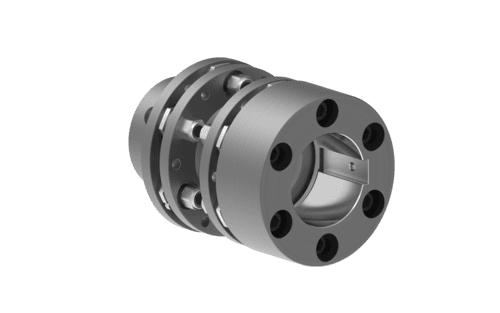
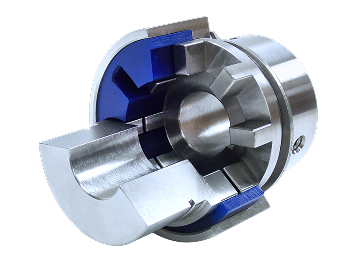
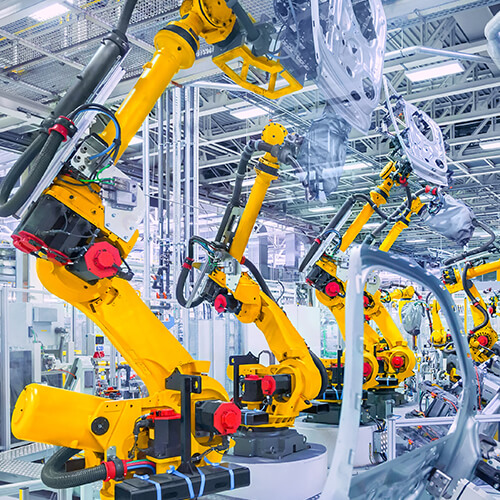
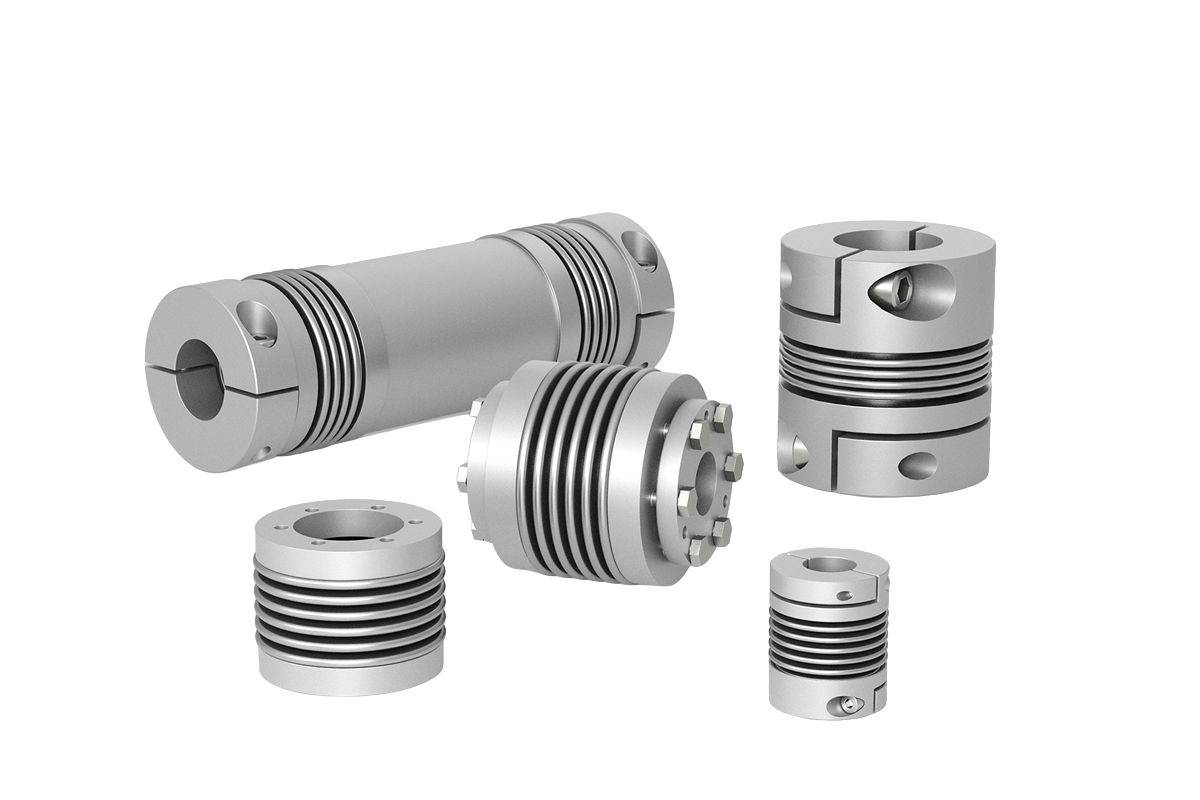
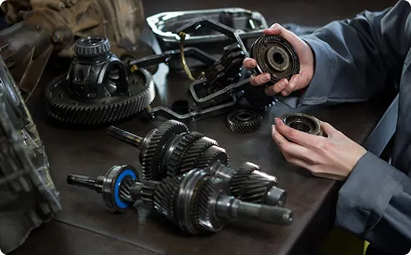
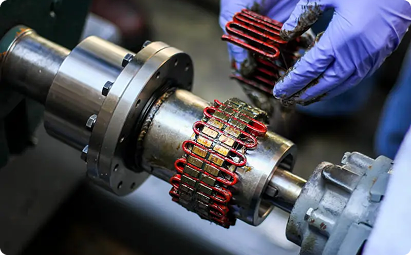
As global energy demands continue to escalate, renewable resources like solar energy are playing a pivotal role from both environmental and financial standpoints. Whether deployed as a compact rooftop installation on a residential home or a massive, multi-megawatt utility-scale solar farm, the manufacturing and field operation of photovoltaic systems require robust mechanical interfaces.To effectively convert solar radiation into usable electrical power, manufacturers utilize premium shaft-to-hub and shaft-to-shaft connections engineered by Lovejoy. Available as off-the-shelf standard products or highly customized specialty configurations, our advanced couplings, locking assemblies, and shrink discs deliver exceptional operational reliability, straightforward installation, and long-term cost efficiency for the solar sector.
The efficiency and energy output of photovoltaic (PV) systems are directly influenced by the angle at which sunlight strikes the solar panels. Maximum power generation is achieved when sunlight reaches the panel surface at an optimal angle throughout the day. To maximize energy yield, modern solar power plants increasingly utilize automated tracking systems, known as solar trackers, which continuously adjust the orientation of solar modules to follow the sun's movement. Solar tracking systems are generally available in one-axis and two-axis configurations. One-axis trackers follow the sun either horizontally or vertically, while two-axis systems provide movement in both directions, enabling the highest possible energy capture throughout the day. These systems rely on precise positioning drives that must operate reliably under continuous outdoor exposure and varying environmental conditions.


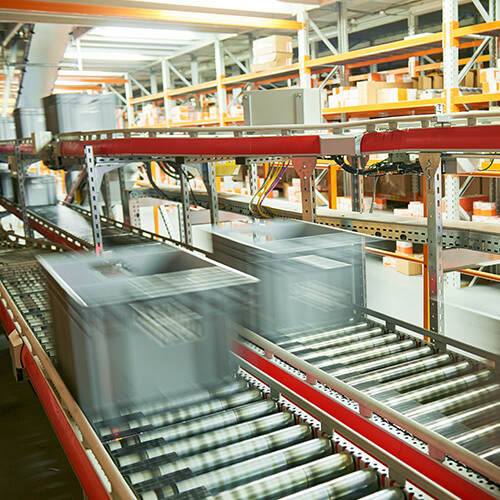
Modern solar panel manufacturing facilities rely on highly automated conveying and handling systems to transport photovoltaic modules safely and accurately throughout the production process. Given the varying dimensions, weights, and fragility of solar panels, these conveying systems require precise motion control, smooth power transmission, and exceptional operational reliability to ensure product quality and production efficiency. To meet these demanding requirements, Lovejoy India Couplings provide advanced power transmission solutions designed for precision conveying and material handling applications. Installed between motors, gearboxes, drive shafts, and conveyor mechanisms, Lovejoy couplings ensure accurate torque transmission while minimizing vibration and maintaining precise system alignment.
Contact us quickly and easily via our request form, by e-mail or telephone, or also using the "Need Help?" feature at the bottom right of this site.
Request
Lorem ipsum dolor sit amet, consectetur adipiscing elit, sed do eiusmod tempor incididunt ut labore et dolore magna aliqua. Ut enim ad minim veniam, quis nostrud exercitation ullamco laboris.
John Paul
Lorem IpsumLorem ipsum dolor sit amet, consectetur adipiscing elit, sed do eiusmod tempor incididunt ut labore et dolore magna aliqua. Ut enim ad minim veniam, quis nostrud exercitation ullamco laboris.
John Paul
Lorem IpsumLorem ipsum dolor sit amet, consectetur adipiscing elit, sed do eiusmod tempor incididunt ut labore et dolore magna aliqua. Ut enim ad minim veniam, quis nostrud exercitation ullamco laboris.
John Paul
Lorem IpsumLorem ipsum dolor sit amet, consectetur adipiscing elit, sed do eiusmod tempor incididunt ut labore et dolore magna aliqua. Ut enim ad minim veniam, quis nostrud exercitation ullamco laboris.
John Paul
Lorem IpsumLorem ipsum dolor sit amet, consectetur adipiscing elit, sed do eiusmod tempor incididunt ut labore et dolore magna aliqua. Ut enim ad minim veniam, quis nostrud exercitation ullamco laboris.
John Paul
Lorem IpsumLorem ipsum dolor sit amet, consectetur adipiscing elit, sed do eiusmod tempor incididunt ut labore et dolore magna aliqua. Ut enim ad minim veniam, quis nostrud exercitation ullamco laboris.
John Paul
Lorem IpsumOur team of experts is ready to assist you in selecting the perfect power transmission components for your specific applications.
Try Our Coupling Selection Tool
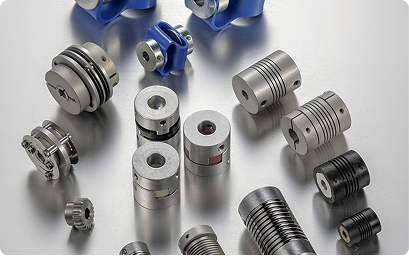
The ideal selection depends entirely on power ratings, operating speeds, and alignment tolerances. For standard setups, elastomer jaw couplings are favored for low-maintenance vibration damping, while high-performance disc couplings or heavy-duty gear couplings are commonly deployed in massive industrial pump networks.
Vertical pump applications require specialized vertical motor-to-pump couplings built to handle distinct axial loading and structural configurations. These engineered systems are widely implemented across water treatment plants, pumping stations, and regional lift irrigation projects.
Steel manufacturing environments—including rolling mills, heavy crushers, conveyors, and auxiliary drives—require extreme durability. High-torque gear couplings, torsionally rigid disc couplings, and metallic grid couplings are heavily utilized to manage these rigorous load cycles.
High-torque gear couplings are optimal for heavy processing machinery like cement plants, mining equipment, conveyors, and crushers. For power generation systems, cogeneration units, and steam plants, torsionally flexible jaw couplings and disc couplings are heavily relied upon to offset shaft misalignments and protect rotating assemblies.
Maintenance engineers should regularly monitor machinery for signs of deterioration. The most common indicators of field wear include excessive system vibration, unusual operational noise, lubricant leakage on grease-dependent models, elastomer deterioration on flexible spiders, and a noticeable increase in running temperatures.
To achieve maximum service life and prevent premature breakdown, industrial facilities must strictly maintain precise shaft alignment, adhere to recommended lubrication schedules on gear models, safeguard the system against overload spikes, run regular physical inspections, and proactively replace components during planned maintenance shutdowns.
Yes. For legacy equipment or specific field constraints, customized coupling solutions can be custom-engineered to meet precise torque demands, speed constraints, and shaft parameters. Full application engineering assistance, technical consultation, and comprehensive documentation like GA drawings and data sheets are available for factory upgrades.