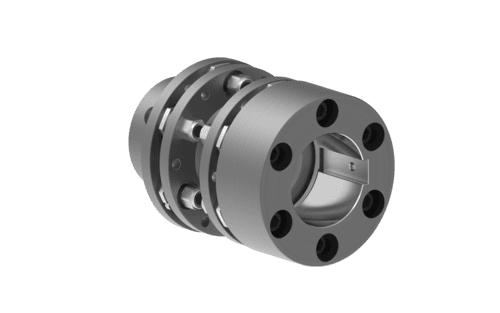
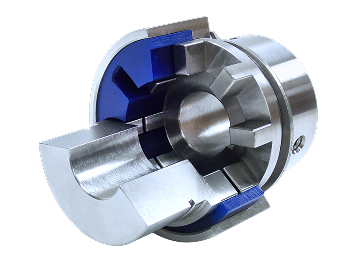
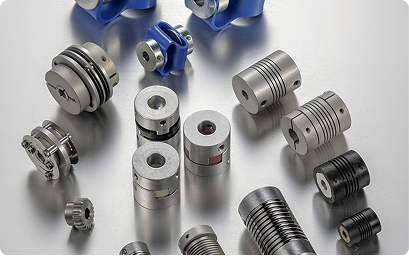
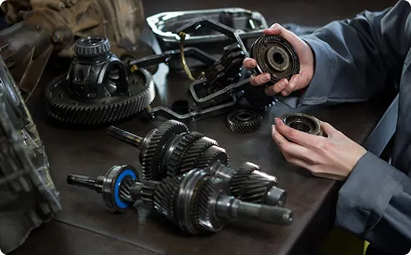
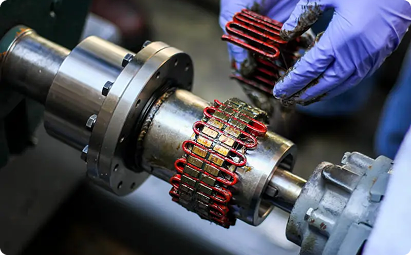
Massive thermal extremes, unyielding continuous operation, intense axial and radial stress vectors, severe particulate contamination, and highly restricted installation footprints define the steel manufacturing landscape. Within this harsh environment, powertrain components powering rolling mills, smelting furnaces, and heavy machinery must withstand relentless operational abuse to safeguard consistent product quality and maintain uninterrupted processing workflows.Whether the application demands advanced damping systems, robust couplings, or secure locking components—and whether deployed as standardized off-the-shelf units or highly customized, application-specific designs—premier global steel producers rely on Lovejoy hardware. Our products deliver unmatched operational uptime, dimensional precision, flawless functionality, and extended service life under the most unforgiving industrial conditions.
Rolling mills are at the heart of modern steel manufacturing, producing metal sheets, plates, bars, tubes, structural sections, and rails from billets, blooms, and slabs. These operations involve extremely high loads, elevated temperatures, continuous-duty operation, and demanding production schedules, placing significant stress on the entire drivetrain system. Throughout the rolling process, roller conveyors, mill stands, pinch rolls, cooling beds, and material handling equipment must operate with exceptional reliability and precision to ensure consistent product quality and uninterrupted production. The massive rotating equipment and heavy steel products generate substantial torque fluctuations, shock loads, vibration, and dynamic forces that can adversely affect drivetrain performance and equipment life.
.jpg)
Contact us quickly and easily via our request form, by e-mail or telephone, or also using the "Need Help?" feature at the bottom right of this site.
Request
Lorem ipsum dolor sit amet, consectetur adipiscing elit, sed do eiusmod tempor incididunt ut labore et dolore magna aliqua. Ut enim ad minim veniam, quis nostrud exercitation ullamco laboris.
John Paul
Lorem IpsumLorem ipsum dolor sit amet, consectetur adipiscing elit, sed do eiusmod tempor incididunt ut labore et dolore magna aliqua. Ut enim ad minim veniam, quis nostrud exercitation ullamco laboris.
John Paul
Lorem IpsumLorem ipsum dolor sit amet, consectetur adipiscing elit, sed do eiusmod tempor incididunt ut labore et dolore magna aliqua. Ut enim ad minim veniam, quis nostrud exercitation ullamco laboris.
John Paul
Lorem IpsumLorem ipsum dolor sit amet, consectetur adipiscing elit, sed do eiusmod tempor incididunt ut labore et dolore magna aliqua. Ut enim ad minim veniam, quis nostrud exercitation ullamco laboris.
John Paul
Lorem IpsumLorem ipsum dolor sit amet, consectetur adipiscing elit, sed do eiusmod tempor incididunt ut labore et dolore magna aliqua. Ut enim ad minim veniam, quis nostrud exercitation ullamco laboris.
John Paul
Lorem IpsumLorem ipsum dolor sit amet, consectetur adipiscing elit, sed do eiusmod tempor incididunt ut labore et dolore magna aliqua. Ut enim ad minim veniam, quis nostrud exercitation ullamco laboris.
John Paul
Lorem IpsumOur team of experts is ready to assist you in selecting the perfect power transmission components for your specific applications.
Try Our Coupling Selection Tool
The ideal selection depends entirely on power ratings, operating speeds, and alignment tolerances. For standard setups, elastomer jaw couplings are favored for low-maintenance vibration damping, while high-performance disc couplings or heavy-duty gear couplings are commonly deployed in massive industrial pump networks.
Vertical pump applications require specialized vertical motor-to-pump couplings built to handle distinct axial loading and structural configurations. These engineered systems are widely implemented across water treatment plants, pumping stations, and regional lift irrigation projects.
Steel manufacturing environments—including rolling mills, heavy crushers, conveyors, and auxiliary drives—require extreme durability. High-torque gear couplings, torsionally rigid disc couplings, and metallic grid couplings are heavily utilized to manage these rigorous load cycles.
High-torque gear couplings are optimal for heavy processing machinery like cement plants, mining equipment, conveyors, and crushers. For power generation systems, cogeneration units, and steam plants, torsionally flexible jaw couplings and disc couplings are heavily relied upon to offset shaft misalignments and protect rotating assemblies.
Maintenance engineers should regularly monitor machinery for signs of deterioration. The most common indicators of field wear include excessive system vibration, unusual operational noise, lubricant leakage on grease-dependent models, elastomer deterioration on flexible spiders, and a noticeable increase in running temperatures.
To achieve maximum service life and prevent premature breakdown, industrial facilities must strictly maintain precise shaft alignment, adhere to recommended lubrication schedules on gear models, safeguard the system against overload spikes, run regular physical inspections, and proactively replace components during planned maintenance shutdowns.
Yes. For legacy equipment or specific field constraints, customized coupling solutions can be custom-engineered to meet precise torque demands, speed constraints, and shaft parameters. Full application engineering assistance, technical consultation, and comprehensive documentation like GA drawings and data sheets are available for factory upgrades.